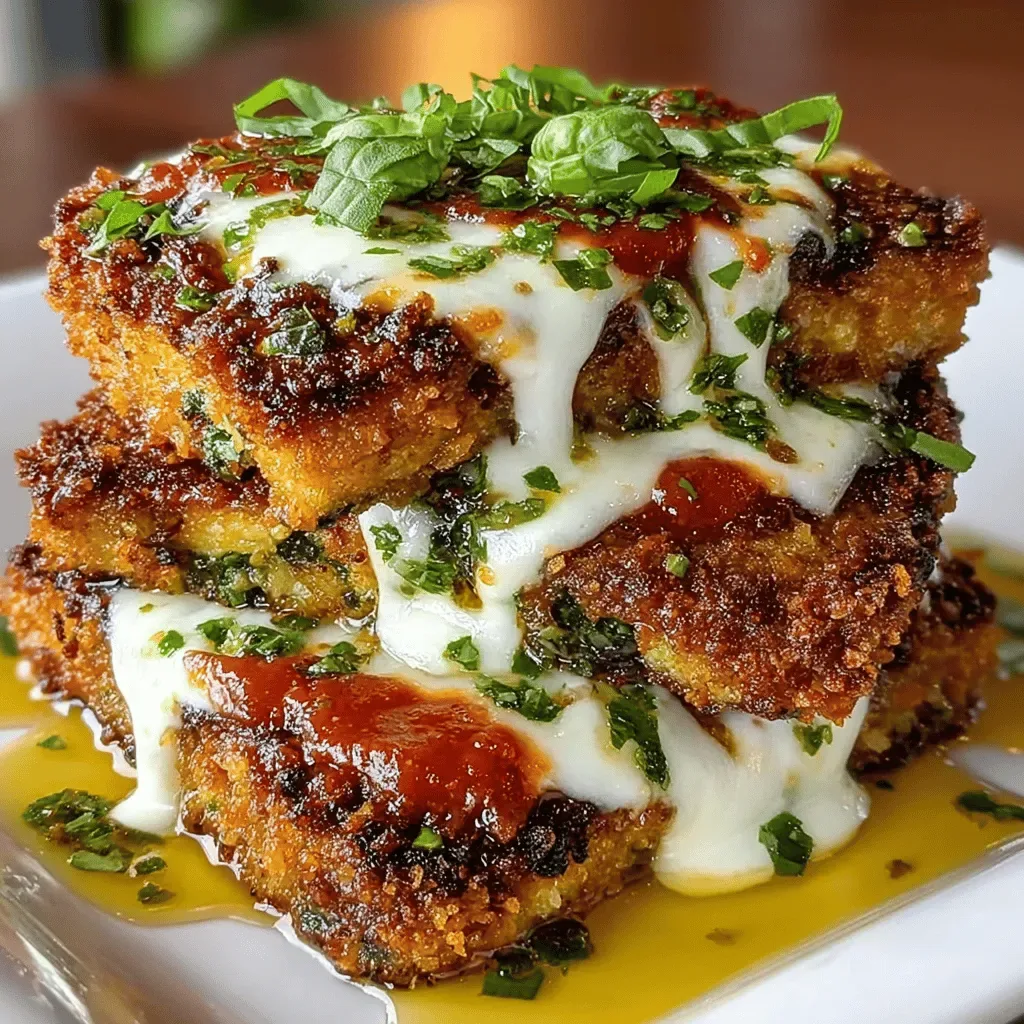
It was a rainy Saturday afternoon, the kind where the clouds hang low and the kitchen smells like a promise of comfort. I was rummaging through my pantry, feeling that familiar tug of wanting something crispy, golden, and utterly share‑able. That's when I pulled out a dusty pack of spring roll wrappers that had been waiting for a moment like this. As I laid them on the counter, the faint scent of wheat and the soft rustle of the paper reminded me of childhood gatherings where my grandma would roll tiny parcels of joy for us to dip into sweet chili sauce. The moment you lift the lid on a pan of bubbling oil, a cloud of fragrant steam hits you, and you know you’re about to create something that will make everyone gather around the table.
What makes this side dish special isn’t just the crunch – it’s the symphony of textures and flavors that dance together in each bite. The shredded cabbage gives a satisfying snap, the carrots add a burst of sweetness, and the bean sprouts provide that delightful pop you hear when you bite down. A splash of soy sauce and a whisper of sesame oil bring depth, while the green onions cut through with a fresh, zesty kick. Imagine the golden edges shimmering, the interior steaming with aromatic herbs, and the whole thing drenched in a sauce that’s both salty and slightly nutty. Have you ever wondered why restaurant spring rolls feel so much more addictive? The secret often lies in the balance of ingredients and the technique of frying just right.
But wait – there’s a hidden layer to this recipe that most home cooks miss, and it’s what turns an ordinary side dish into a crowd‑pleasing masterpiece. I’ll let you in on that secret later, after we walk through the steps together. First, let’s talk about why this particular combination of veggies, seasonings, and cooking method works so brilliantly. Trust me, you’ll want to bookmark this page because the tips coming up will change the way you think about fried appetizers forever. Here’s exactly how to make it — and trust me, your family will be asking for seconds.
🌟 Why This Recipe Works
- Flavor Depth: The soy sauce and sesame oil create a savory‑nutty foundation that penetrates every vegetable strand, ensuring each bite is layered with umami.
- Texture Harmony: By combining crunchy cabbage, crisp carrots, and tender bean sprouts, you get a multi‑dimensional bite that keeps the palate excited.
- Ease of Preparation: All the ingredients are raw, requiring only shredding and quick mixing, so you spend more time enjoying the cooking than chopping.
- Time Efficiency: From prep to plate, you’re looking at under an hour, making it perfect for weeknight gatherings or spontaneous dinner parties.
- Versatility: This side can stand alone, accompany a main, or become a party platter with multiple dipping sauces, adapting to any menu.
- Nutrition Boost: Fresh vegetables provide vitamins, fiber, and a satisfying crunch without relying on heavy sauces or excess oil.
- Ingredient Quality: Using fresh, crisp produce and high‑quality spring roll wrappers ensures the final product is light, airy, and never soggy.
- Crowd‑Pleasing Factor: The golden, crispy exterior paired with a flavorful interior is a universal favorite that appeals to both kids and adults.
🥗 Ingredients Breakdown
The Foundation: Fresh Crunch
The trio of cabbage, carrots, and bean sprouts forms the heart of this spring roll side dish. Shredded cabbage adds a sturdy crunch that holds up well in hot oil, while its mild flavor acts as a blank canvas for the seasonings. Shredded carrots bring a natural sweetness and a pop of orange that brightens the visual appeal, making the rolls look as festive as they taste. Bean sprouts contribute a delicate, airy texture that contrasts beautifully with the denser vegetables. If you’re ever in a pinch, you can substitute napa cabbage for a milder taste or use sliced bell peppers for extra color.
Aromatics & Spices: Flavor Boosters
The green onions are the unsung heroes, delivering a fresh, slightly pungent bite that cuts through the richness of the fried wrapper. Their bright green specks also add visual interest, making each roll look like a miniature garden. Soy sauce is the umami powerhouse, infusing the mixture with a salty depth that ties all the vegetables together. A single tablespoon is enough to season without overwhelming. Finally, a drizzle of sesame oil introduces a toasted, nutty aroma that lingers on the palate long after the last bite. If you’re avoiding soy, tamari works just as well, and toasted peanut oil can replace sesame for a different nutty nuance.
The Secret Weapons: Wrappers & Oil
The spring roll wrappers are the edible vessel that transforms the raw veggies into a handheld delight. Look for wrappers that are thin yet sturdy enough to hold the filling without tearing. If you can, choose the ones made with a blend of rice and wheat flour for a subtle chew. When it comes to frying, the oil choice matters: vegetable oil has a high smoke point, ensuring the rolls become golden without burning. Some chefs swear by peanut oil for its slightly nutty flavor, but any neutral oil will do the trick. Remember, the oil should be hot enough to sizzle immediately when a roll is dropped in – that’s the sound of crispness forming.
Finishing Touches: Seasoning & Oil
A final drizzle of sesame oil over the mixed vegetables before wrapping adds a subtle sheen and a lingering nutty perfume that makes the rolls irresistible. The oil for frying should be deep enough to submerge the rolls, allowing them to cook evenly on all sides. If you’re watching calories, you can shallow‑fry the rolls in a pan with just enough oil to coat the bottom, but be prepared for a slightly less uniform crisp. With your ingredients prepped and ready, let's get cooking. Here's where the fun really begins...
🍳 Step-by-Step Instructions
-
Begin by gathering all your vegetables and giving them a good rinse under cold water. Pat them dry with a clean kitchen towel; excess moisture is the enemy of crispiness. Using a sharp knife or a mandoline, shred the cabbage and carrots into fine, uniform strips – this ensures they cook evenly inside the roll. Toss the shredded veggies together with the bean sprouts in a large mixing bowl, letting the colors mingle like a festive confetti.
💡 Pro Tip: Lightly sprinkle a pinch of salt on the vegetables and let them sit for 5 minutes, then drain any released liquid. This step draws out excess moisture and concentrates flavor. -
While the veggies rest, whisk together the soy sauce and sesame oil in a small bowl. The soy sauce brings salty depth, and the sesame oil adds that signature nutty aroma that makes this side dish unforgettable. Drizzle the mixture over the vegetable blend, then toss gently with your hands, ensuring every strand is lightly coated. Add the chopped green onions last, folding them in so they stay bright and fragrant.
-
Now it’s time to prep the spring roll wrappers. Lay a damp kitchen towel on your countertop and place a wrapper on top. The damp towel prevents the wrapper from drying out and cracking. Spoon about 2‑3 tablespoons of the vegetable mixture onto the lower third of the wrapper, spreading it out evenly but leaving a margin at the edges. This margin is crucial for sealing the roll later on.
-
Fold the bottom edge of the wrapper over the filling, then fold in the sides, creating a tight envelope. Roll the wrapper upward, applying gentle pressure to keep the roll compact. If you notice any gaps, dab a little water on the edge before sealing – the moisture acts like edible glue. The result should be a neat, tight cylinder that won’t fall apart when it hits the oil.
⚠️ Common Mistake: Overfilling the roll leads to tearing during frying. Keep the filling modest to maintain structural integrity. -
Heat a deep, heavy‑bottomed pot or wok over medium‑high heat and pour in enough oil to submerge the rolls – about 2‑3 inches deep. Using a thermometer, bring the oil to 350°F (175°C). If you don’t have a thermometer, drop a small piece of wrapper into the oil; it should sizzle and rise to the surface within a few seconds. This temperature is the sweet spot for achieving a golden, crunchy exterior without greasiness.
-
Gently lower a few rolls into the hot oil, being careful not to overcrowd the pot. Overcrowding drops the oil temperature and results in soggy rolls. Fry the rolls for 3‑4 minutes, turning them with tongs so each side browns evenly. You’ll hear a gentle bubbling as the moisture evaporates, and the edges will turn a deep, appetizing amber.
💡 Pro Tip: For an extra‑crispy finish, sprinkle a tiny pinch of cornstarch over the rolls just before frying. The starch forms a delicate crust that crackles under your teeth. -
Once the rolls are uniformly golden, use a slotted spoon to lift them out and place them on a paper‑towel‑lined plate. The paper towels absorb excess oil, keeping the rolls light and crisp. Let them rest for a minute; this short pause lets the steam escape, preserving the crunch you worked so hard to achieve.
-
While the rolls cool, prepare a dipping sauce of your choice – a simple blend of soy sauce, a splash of rice vinegar, a drizzle of honey, and a pinch of chili flakes works wonders. Serve the rolls hot, arranging them on a platter with fresh cilantro leaves for a pop of green. The aroma of hot oil, sesame, and fresh vegetables will fill the room, inviting everyone to dive in.
-
And there you have it! But before you dig in, let me share some tips that will take this from great to absolutely unforgettable. Trust me, these final touches will have your guests reaching for seconds and asking for the recipe.
🔐 Expert Tips for Perfect Results
The Taste Test Trick
Before you seal the final roll, take a tiny spoonful of the vegetable mixture and give it a quick taste. This moment of tasting lets you adjust the seasoning on the spot – a pinch more soy sauce, a dash of sesame oil, or even a splash of lime juice if you crave brightness. I once served a batch that was a shade too salty, and a quick squeeze of fresh lemon saved the day. The best part? You’ll never serve a roll that’s out of balance.
Why Resting Time Matters More Than You Think
After mixing the vegetables with soy sauce and sesame oil, let the mixture rest for 10‑15 minutes. This pause allows the flavors to meld, and the cabbage fibers to soften just enough to stay tender inside the roll. I used to skip this step and ended up with a harsh, raw cabbage bite. Now, I always set a timer and use that moment to prep the oil, ensuring everything moves smoothly.
The Seasoning Secret Pros Won’t Tell You
A tiny sprinkle of toasted sesame seeds on the finished rolls adds a subtle crunch and a burst of nuttiness that elevates the whole dish. It’s a pro‑level finish that looks elegant and tastes amazing. I discovered this trick while watching a cooking show; the chef brushed the seeds on just before plating, and the audience went wild. Try it next time and watch your guests’ eyes light up.
Oil Temperature Mastery
Maintaining a steady 350°F (175°C) is crucial. If the oil is too cool, the wrappers will soak up oil and become soggy; if too hot, they’ll burn before the interior heats through. Use a deep‑fat thermometer and adjust the heat as needed, especially when adding a new batch of rolls. The result? Consistently crisp, golden rolls that shatter with a satisfying crack.
The Double‑Fry Technique
For the ultimate crunch, consider a quick double‑fry: fry the rolls for 1‑2 minutes, remove them, let them rest for a minute, then return them to the oil for another 1‑2 minutes. This method creates a light, airy interior while the exterior becomes extra‑crisp. I tried this once for a party, and the feedback was unanimous – “They’re like little clouds of crunch!”
🌈 Delicious Variations to Try
One of my favorite things about this recipe is how versatile it is. Here are some twists I've tried and loved:
Spicy Sriracha Surprise
Add a tablespoon of sriracha to the soy‑sesame mixture and sprinkle thinly sliced jalapeños into the vegetable blend. The heat cuts through the richness, creating a balanced bite that tingles the palate. Perfect for those who love a little fire.
Herb‑Infused Garden Roll
Swap the green onions for a mixture of fresh basil, cilantro, and mint. These herbs bring a fragrant, almost tropical note that pairs beautifully with the nutty sesame oil. It’s a fresh take that’s especially delightful in the summer.
Cheesy Crunch Fusion
Mix in a handful of shredded mozzarella or cheddar into the vegetable filling before rolling. The cheese melts slightly during frying, creating pockets of gooey richness that contrast with the crisp wrapper. A kid‑friendly version that even picky eaters adore.
Sweet & Savory Coconut
Add a teaspoon of toasted coconut flakes and a drizzle of honey to the filling. The coconut adds a subtle nuttiness while the honey provides a gentle sweetness that balances the salty soy. It’s an unexpected twist that feels indulgent.
Thai Peanut Delight
Stir in a spoonful of peanut butter and a splash of lime juice into the sauce mixture before tossing the veggies. The peanut butter adds creaminess, and the lime brightens the overall flavor profile. Serve with a side of peanut dipping sauce for a cohesive experience.
Umami Mushroom Medley
Finely chop shiitake or cremini mushrooms and sauté them quickly before adding to the vegetable mix. The mushrooms contribute an earthy depth that complements the soy sauce, turning the side dish into a more robust, umami‑rich bite.
📦 Storage & Reheating Tips
Refrigerator Storage
Store any leftover rolls in an airtight container lined with parchment paper to prevent them from sticking together. They’ll stay fresh for up to 2 days, though the crispness will soften. To revive the crunch, reheat them in a hot oven at 375°F (190°C) for 5‑7 minutes – the dry heat restores that golden snap.
Freezing Instructions
If you want to make a big batch, freeze the uncooked rolls on a baking sheet, ensuring they don’t touch. Once solid, transfer them to a zip‑top freezer bag. They’ll keep for up to 1 month. When you’re ready to enjoy, fry them directly from frozen – just add an extra minute to the cooking time.
Reheating Methods
For the best texture, avoid microwaving; the microwave makes the wrapper soggy. Instead, reheat in a skillet with a thin layer of oil over medium heat, turning until the surface crisps again. If you’re in a hurry, a quick blast in a preheated oven works wonders, especially if you sprinkle a few drops of oil over the rolls before reheating.