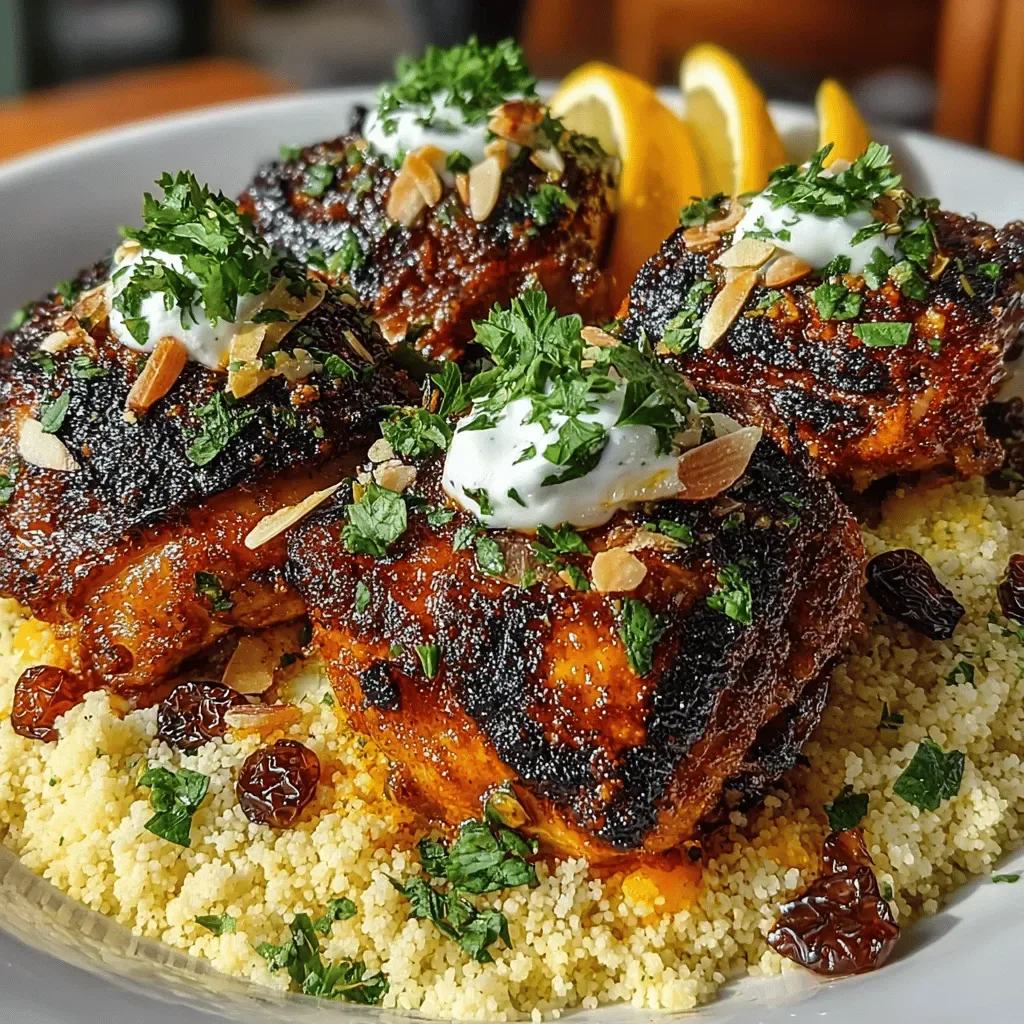
It was a crisp autumn evening when I first discovered the magic of sumac. I was standing in my tiny kitchen, the windows fogged by the steam rising from a pot of simmering broth, and the scent of pine needles drifted in from the yard. As I lifted the lid, a cloud of fragrant steam hit me, carrying hints of citrus and earth that made my mouth water instantly. I had just pulled a fresh salmon fillet from the freezer, and an idea sparked: what if I could give it a bold, smoky crust without the hassle of a grill? The thought of combining the tangy, lemon‑like brightness of sumac with the fiery heat of blackening spices felt like a culinary adventure waiting to happen.
Fast forward a few weeks, and that experiment turned into a family favorite that we now serve whenever we want to feel a little fancy without spending hours in the kitchen. The moment the salmon hits the hot pan, you hear a satisfying sizzle that promises a crust packed with flavor. As the spices caramelize, they release a perfume that fills the whole house, coaxing even the most reluctant eaters to the table. The flesh stays buttery and moist, a perfect foil to the crunchy, aromatic coating. Imagine the bright pink of the fish peeking through a dark, speckled crust—it's a visual that makes you want to snap a photo before you even take a bite.
But here's the secret I didn't realize until I made it a dozen times: the key to that perfect blackened crust isn’t just the heat, it’s the balance of the spice blend and the quick sear that locks in juices. Have you ever wondered why restaurant versions taste so different, even when they claim to use the same spices? The answer lies in a tiny detail that most home cooks overlook—how you toast the sumac before it meets the fish. I’ll reveal that trick later, and trust me, it will change the way you think about seasoning forever.
Now, you might be thinking, “I’m not a professional chef; can I really pull this off?” Absolutely! The recipe is designed for anyone who loves bold flavors but values simplicity. The ingredients are straightforward, the steps are logical, and the results are consistently impressive. The best part? You can serve it with a quick salad, over rice, or even on a taco for a playful twist. Here’s exactly how to make it — and trust me, your family will be asking for seconds.
🌟 Why This Recipe Works
- Flavor Depth: The combination of sumac’s citrusy tang with smoked paprika and cayenne creates a layered taste that dances on the palate, delivering both brightness and heat in every bite.
- Texture Contrast: A quick, high‑heat sear forms a crisp, caramelized crust while the interior stays flaky and buttery, giving you that satisfying crunch‑to‑soft mouthfeel.
- Ease of Execution: With just a handful of pantry staples and a single pan, you can achieve restaurant‑quality results without complicated techniques or special equipment.
- Time Efficiency: From prep to plate it takes under an hour, making it perfect for weeknight dinners or a special weekend treat without the stress of a long cooking process.
- Versatility: The dish pairs beautifully with a wide range of sides—from quinoa salads to roasted vegetables—so you can adapt it to whatever you have on hand.
- Nutrition Boost: Salmon provides heart‑healthy omega‑3 fatty acids, while sumac adds antioxidants; together they make a meal that’s as good for your body as it is for your taste buds.
- Ingredient Quality: Using fresh, wild‑caught salmon and high‑quality spices elevates the dish, turning simple ingredients into a gourmet experience.
- Crowd‑Pleasing Factor: The bold, smoky flavor appeals to meat‑eaters and pescatarians alike, making it a safe bet for family gatherings or dinner parties.
🥗 Ingredients Breakdown
The Foundation: Fresh Salmon
Choosing the right salmon is the first step toward success. Look for fillets that are firm to the touch and have a vibrant pink hue; wild‑caught salmon often has a richer flavor than farmed varieties. If you can, opt for a piece with the skin on—it helps protect the flesh from overcooking and adds an extra layer of texture when crisped. When you shop, feel the flesh; it should bounce back slightly, indicating freshness. And remember, a good quality fillet means you’ll need less seasoning to let the fish’s natural flavor shine.
Aromatics & Spices: The Blackening Blend
The heart of this dish lies in the spice blend: sumac, smoked paprika, cayenne pepper, garlic powder, onion powder, salt, and black pepper. Sumac brings a tangy, lemony brightness that cuts through the richness of the salmon. Smoked paprika adds depth with its subtle wood‑smoke aroma, while cayenne provides the heat that makes the crust “blackened.” Garlic and onion powders round out the flavor profile with savory undertones. A pinch of salt enhances all the other flavors, and freshly cracked black pepper adds a final pop of spice. If you’re daring, a dash of brown sugar can create a caramelized edge, but that’s optional.
The Secret Weapons: Olive Oil & Citrus
Olive oil serves as the medium that carries the spices onto the fish and helps achieve that coveted sear. Use a light, extra‑virgin olive oil for a clean flavor that won’t compete with the spices. Fresh lemon juice, added at the end of cooking, brightens the dish and balances the heat from the cayenne. A few lemon wedges on the side also give diners the option to add more acidity to their taste. If you love a hint of herbaceous freshness, a sprinkle of chopped parsley or cilantro just before serving adds color and a subtle garden note.
Finishing Touches: Garnish & Accompaniments
A drizzle of extra‑virgin olive oil or a dollop of Greek yogurt infused with herbs can turn this dish from dinner to a show‑stopper. For a textural contrast, consider topping the salmon with toasted pine nuts or slivered almonds; they echo the nutty undertones of the sumac. A side of roasted asparagus or a simple mixed green salad with a vinaigrette keeps the meal light and balanced. And if you’re feeling indulgent, a spoonful of capers adds a briny punch that pairs beautifully with the smoky crust.
With your ingredients prepped and ready, let's get cooking. Here's where the fun really begins...

🍳 Step-by-Step Instructions
-
Pat the salmon fillets dry with paper towels, then lightly brush each side with olive oil. This step is crucial because a dry surface allows the spice blend to adhere properly and creates that signature crackle when it hits the pan. While you’re brushing, take a moment to appreciate the glossy sheen of the oil—it's a promise of the flavor to come. Once oiled, set the fillets aside on a plate, skin side down if the skin is on. The fish should look glossy and ready for the spice coating.
💡 Pro Tip: Sprinkle a pinch of kosher salt on the salmon before oiling; it helps draw out excess moisture, ensuring a crisper crust. -
In a shallow bowl, combine the sumac, smoked paprika, cayenne pepper, garlic powder, onion powder, salt, and black pepper. Stir the mixture with a fork until the spices are evenly distributed, creating a deep, reddish‑brown powder that smells earthy and slightly sweet. This is the moment to taste a tiny pinch—if it feels flat, add a dash more cayenne for heat or a squeeze of lemon zest for brightness. Once satisfied, spread the blend on a large plate, ready to coat the fish.
-
Press each salmon fillet into the spice blend, ensuring every side is fully coated. Use your hands to gently pat the spices onto the fish; this helps the mixture stick during cooking. You’ll notice the vibrant colors of the spices hugging the flesh, and the aroma will start to intensify. If any excess falls off, simply tap the fillet against the plate—don’t waste those flavorful crumbs! The result is a uniformly seasoned piece of fish primed for that dramatic blackening.
-
Heat a cast‑iron skillet over medium‑high heat for about two minutes, then add a thin layer of olive oil. The oil should shimmer but not smoke; if it starts to smoke, reduce the heat slightly. Place the salmon fillets in the skillet, skin side down if applicable, and press them gently with a spatula to ensure even contact. Hear that sizzle? That’s the sound of flavor forming. Cook without moving the fish for 3‑4 minutes, or until the edges turn opaque and the crust is deep brown and fragrant.
⚠️ Common Mistake: Flipping the salmon too early can cause the crust to break apart. Let the spices fully set before you move the fish. -
Flip the fillets carefully using a wide spatula, then lower the heat to medium and continue cooking for another 2‑3 minutes. You’ll notice the opposite side developing the same caramelized crust, and the flesh will be opaque about three‑quarters of the way through. If you’re using a thick cut, add an extra minute per side. The key is to watch for a gentle bubbling around the edges—this indicates the interior is cooking evenly without drying out.
💡 Pro Tip: Add a thin slice of butter to the pan during the last minute of cooking; it will melt into the spices, creating a glossy finish. -
Once the salmon reaches an internal temperature of 125°F (52°C) for medium‑rare or 135°F (57°C) for well‑done, remove it from the heat. Transfer the fillets to a warm plate and let them rest for three minutes; this allows the juices to redistribute, keeping the fish moist. While the fish rests, the residual heat will finish the cooking process, ensuring a perfect texture. Trust me on this one: skipping the rest step results in a dry bite.
-
Squeeze fresh lemon juice over the top of each fillet, then garnish with chopped parsley, toasted pine nuts, or a drizzle of herb‑infused olive oil. The acidity lifts the smoky flavors, while the garnish adds a pop of color and crunch. Serve the salmon immediately with your choice of side—perhaps a crisp cucumber salad or a fluffy quinoa pilaf. The dish is ready to wow your guests, and the aroma will still be lingering in the kitchen.
-
Finally, take a moment to admire the result: a beautifully blackened crust, a blush of pink in the center, and a fragrant perfume that tells the story of the spices you just mastered. Go ahead, take a taste — you’ll know exactly when it’s right. Pair it with a chilled glass of white wine or sparkling water with a twist of lime, and you’ve got a dinner that feels both sophisticated and comforting. And that’s not all—there are a few extra tips coming up that will take this dish from great to unforgettable.
🔐 Expert Tips for Perfect Results
The Taste Test Trick
Before you commit the whole spice blend to the fish, whisk a teaspoon of it into a spoonful of olive oil and taste. This mini‑test lets you gauge the heat level and adjust cayenne or salt accordingly. I once added too much cayenne and the dish was a fire hazard—adjusting on the fly saved the dinner and my taste buds. Trust your palate; a balanced blend is the hallmark of a well‑executed blackened salmon.
Why Resting Time Matters More Than You Think
Allowing the salmon to rest after cooking is not just a suggestion—it’s a science. Resting for three to five minutes lets the proteins relax and the juices settle, preventing a dry, crumbly bite. I used to skip this step in a rush, only to hear polite complaints about the fish being “a bit dry.” Now I always set a timer; the difference is night and day.
The Seasoning Secret Pros Won’t Tell You
Professional chefs often add a pinch of smoked salt to their blackening mixes. The smoked salt amplifies the wood‑smoke notes without overwhelming the dish. If you don’t have smoked salt, a dash of liquid smoke in the oil can achieve a similar effect—just a drop or two, or you’ll end up with a bitter aftertaste. This subtle tweak elevates the flavor profile from good to restaurant‑level.
Pan Choice and Heat Management
A cast‑iron skillet retains heat exceptionally well, giving you that even, high‑heat sear. However, if you use a stainless steel pan, preheat it a bit longer and add a splash more oil to avoid sticking. The key is to maintain a steady temperature; too low and the spices will burn before the fish cooks, too high and the exterior will char while the interior stays raw. A quick hand‑wave test—hold your hand a few inches above the pan; you should feel a strong, steady heat.
Balancing Heat and Brightness
Sumac’s citrusy brightness is the perfect counterbalance to cayenne’s heat. If you love extra zing, finish the dish with a drizzle of lemon‑herb vinaigrette. Conversely, if you prefer milder heat, halve the cayenne and increase the smoked paprika. This flexibility lets you tailor the dish to your family’s spice tolerance while preserving the signature flavor harmony.
🌈 Delicious Variations to Try
One of my favorite things about this recipe is how versatile it is. Here are some twists I've tried and loved:
Mediterranean Twist
Swap the cayenne for a pinch of za'atar and add chopped olives and sun‑dried tomatoes to the garnish. The herbaceous notes of za'atar complement the sumac, while the olives bring a briny depth that transports you straight to a seaside tavern.
Asian Fusion
Replace the lemon juice with a splash of yuzu or rice vinegar, and finish with a drizzle of sesame oil and toasted sesame seeds. The result is a bright, nutty flavor that pairs beautifully with a side of jasmine rice.
Coconut Curry Infusion
Add a teaspoon of coconut milk to the pan during the last minute of cooking, then sprinkle fresh cilantro and a dash of curry powder over the salmon. The creamy coconut balances the heat, creating a luscious, exotic bite.
Herb‑Crusted Variation
Mix finely chopped fresh thyme, rosemary, and dill into the spice blend before coating the fish. The herbs add an earthy aroma that pairs wonderfully with roasted potatoes or a simple green bean almondine.
Spicy Sweet Glaze
Brush the salmon with a mixture of honey, sriracha, and a squeeze of lime during the final minute of cooking. The glaze caramelizes, giving a sticky, sweet‑heat crust that’s perfect for a weekend brunch.
📦 Storage & Reheating Tips
Refrigerator Storage
Place leftover salmon in an airtight container and store it in the fridge for up to three days. To keep the crust from getting soggy, line the container with a paper towel before adding the fish. When you’re ready to eat, a quick warm‑up in a skillet will revive the crispiness.
Freezing Instructions
Wrap each cooked fillet tightly in plastic wrap, then place them in a freezer‑safe zip‑lock bag. They’ll keep for up to two months without losing flavor. For best results, thaw overnight in the refrigerator, then re‑heat gently on the stove or in a low‑heat oven.
Reheating Methods
The trick to reheating without drying it out? A splash of water or broth in a covered skillet over low heat. This creates a gentle steam that revives the moisture while preserving the crust. Alternatively, a quick blast in a preheated oven at 300°F (150°C) for 10‑12 minutes works well, especially if you add a drizzle of olive oil before serving.